![India vs Afghanistan T20 preview: Afghanistan tour of India [Sep 2026] 2026 at Arun Jaitley Stadium, Delhi — teams, pitch, and what decides it](https://thumb.wikimedia.org/wikipedia/commons/thumb/e/ef/Virat_Kohli_during_the_India_vs_Aus_4th_Test_match_at_Narendra_Modi_Stadium_on_09_March_2023.jpg/1280px-Virat_Kohli_during_the_India_vs_Aus_4th_Test_match_at_Narendra_Modi_Stadium_on_09_March_2023.jpg)
India vs Afghanistan T20 preview: Afghanistan tour of India [Sep 2026] 2026 at Arun Jaitley Stadium, Delhi — teams, pitch, and what decides it
India vs Afghanistan in Afghanistan tour of India [Sep 2026] 2026 at Arun Jaitley Stadium, Delhi on Thu, 17 Sept, 2026, 02:00 pm. A full match briefing covering the pitch, squads, key battles, and how this T20 contest is likely to be won.
India vs Afghanistan T20 preview: Afghanistan tour of India [Sep 2026] 2026 at Arun Jaitley Stadium, Delhi — teams, pitch, and what decides it
India take on Afghanistan in 3rd T20I (D/N) of Afghanistan tour of India [Sep 2026] 2026 at Arun Jaitley Stadium, Delhi on Thursday, 17 September 2026 at 02:00 pm. This is not a two-paragraph preview. It is the match briefing: series context, conditions, both squads, the battles that actually decide the day, and what to watch from the first ball.
Live situation: Afghanistan require another 191 runs with 10 wickets and 17.0 overs remaining
Cricket writing that only tells you the start time is not covering the match. Fans want the ground, the ball, the bowling plans, the batting jobs, and the names who can swing a session. That is what this piece is for.
Match snapshot
- Fixture: 3rd T20I (D/N)
- Series: Afghanistan tour of India [Sep 2026] 2026
- Format: T20
- Venue: Arun Jaitley Stadium, Delhi
- Date and time: Thursday, 17 September 2026 at 02:00 pm (local listing as published)
- Status: live
- India: India Men T20 — Men in Blue
- Afghanistan: Afghanistan Men T20 — The Blue Tigers
Why this match sits at the centre of the series
Afghanistan tour of India [Sep 2026] 2026 is the frame around this fixture. 3rd T20I (D/N) is the picture inside it.
India arrive with a job that sounds simple and is not: start well, then refuse to give the game away in the middle. Afghanistan arrive with the opposite pressure. They have to take early wickets or live with a total they do not want to chase. In international cricket, that is usually the whole plot.
There is also the human layer. A batter out of form treats every leave as a victory. A bowler with a new ball treats every drive as a chance. Captains feel both. Suryakumar Yadav for India and Rashid Khan for Afghanistan will be judged on the fields they set in the first hour, because that is when a match still listens to a plan.

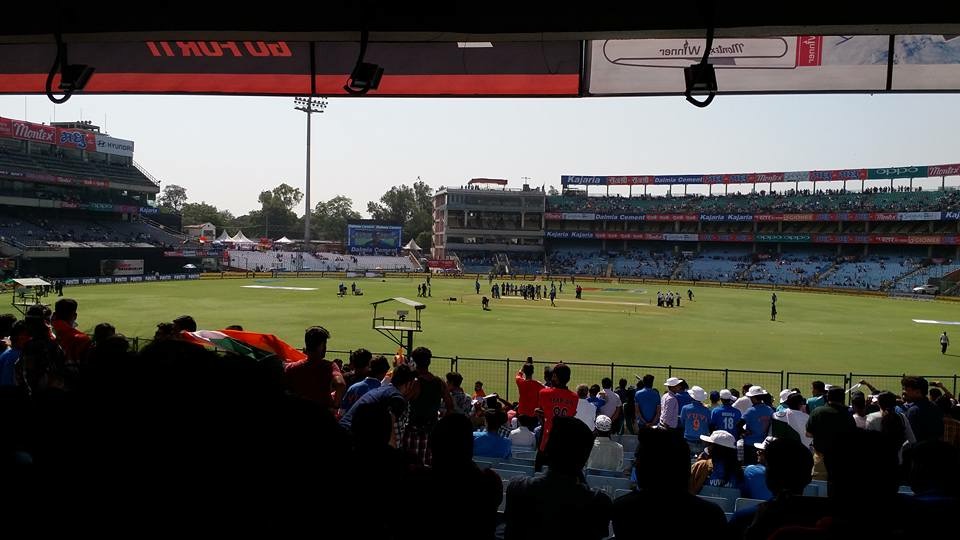
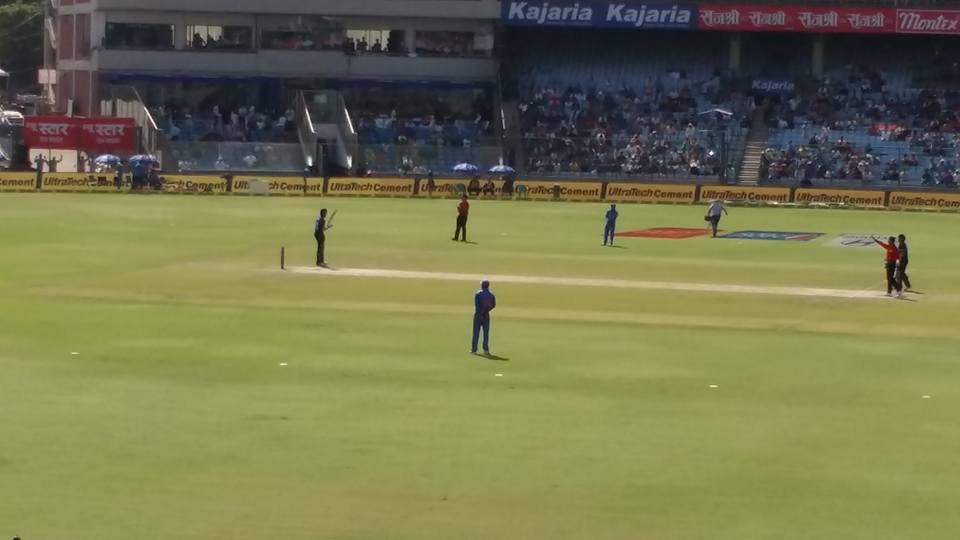
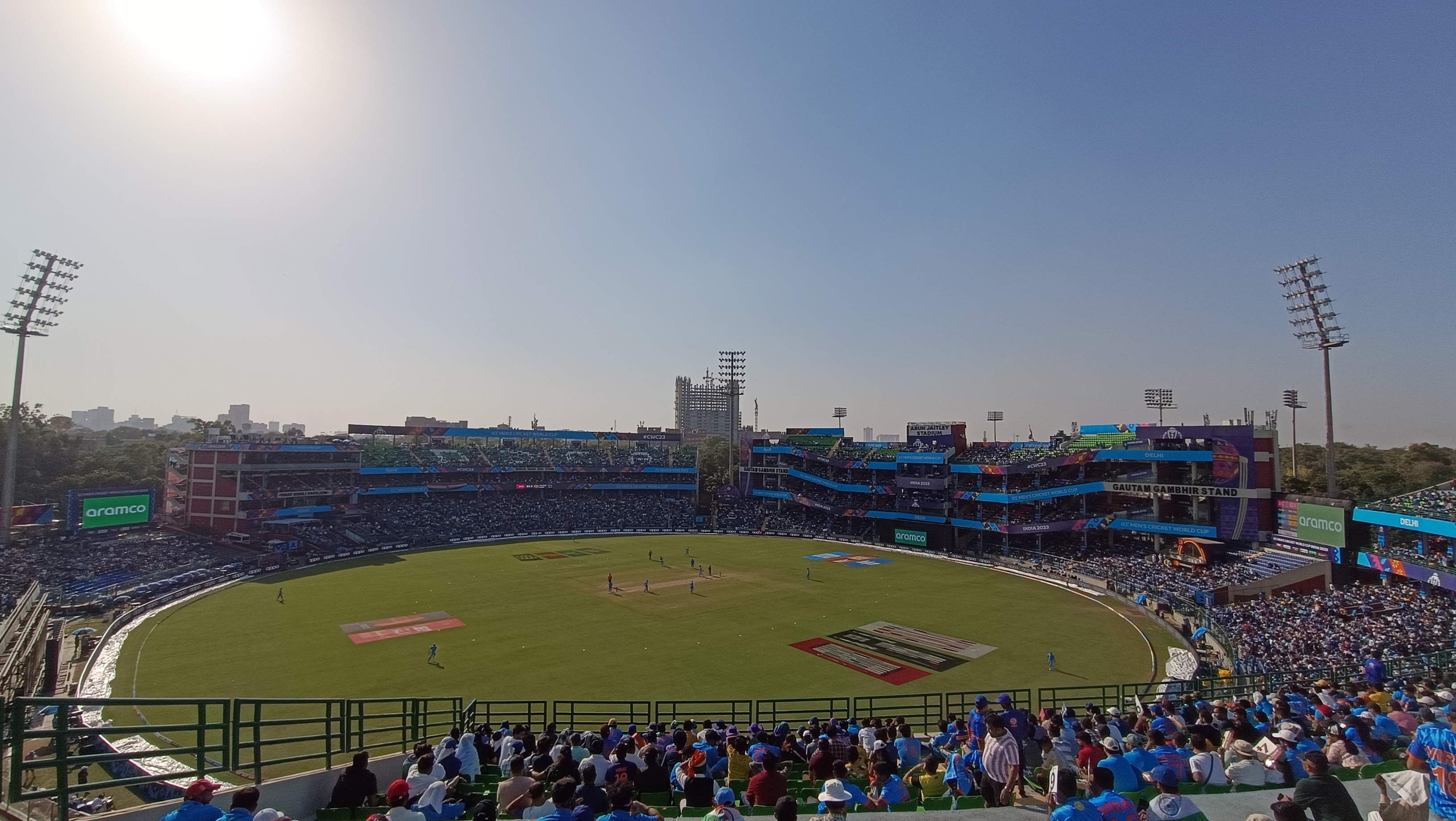
The ground: Arun Jaitley Stadium, Delhi
Arun Jaitley Stadium, Delhi usually tells you the truth in the first hour. If the new ball moves, the contest is about surviving and then cashing in. If it sits up, the openers can decide the day before lunch. Either way, the side that bowls a hard length and does not panic when one over disappears is the side that stays in the match.
Outfields, sightscreens, and the size of the square boundaries change shot selection more than television graphics admit. A ground with a short straight boundary invites the lofted drive. A ground with a long leg-side invites the cutter into the pitch. Before a ball is bowled, good sides walk the square and decide which hitting zones are real.
If dew comes in later, the chasing side gets a ball that skids. If the sun stays on a used pitch, the ball grips. Arun Jaitley Stadium, Delhi has seen both kinds of day. The toss still matters, but it matters less than the first bowling spell that actually lands.
Scoreline and match situation
Latest update: Afghanistan require another 191 runs with 10 wickets and 17.0 overs remaining
- India: 221/7
- Afghanistan: 31/0 (3/20 ov, target 222)
A live score is not just a number. It is the argument the match is having with itself. If wickets are falling in clusters, the next hour is about stopping the slide. If a partnership is settled, the bowling side has to change ends, change pace, or accept that the total is getting away.
How T20 cricket is likely to be played here
T20 does not give you time to settle. The first six overs decide whether the innings is a chase or a crawl. India will look to use the powerplay, then hold the middle. Afghanistan will look to take pace off, bowl into the pitch, and force mishits to the big side.
At Arun Jaitley Stadium, Delhi, match-ups matter more than reputation. A left-arm seamer into a right-hand heavy top order, a wrist-spinner at the death, a finisher who can hit the long boundary — those are the small selections that look obvious only after the match is over.
India — the home of their plan under Gautam Gambhir (head coach), Morne Morkel (bowling coach), Sitanshu Kotak (batting coach), Ryan ten Doeschate (assistant coach), T Dilip (fielding coach)
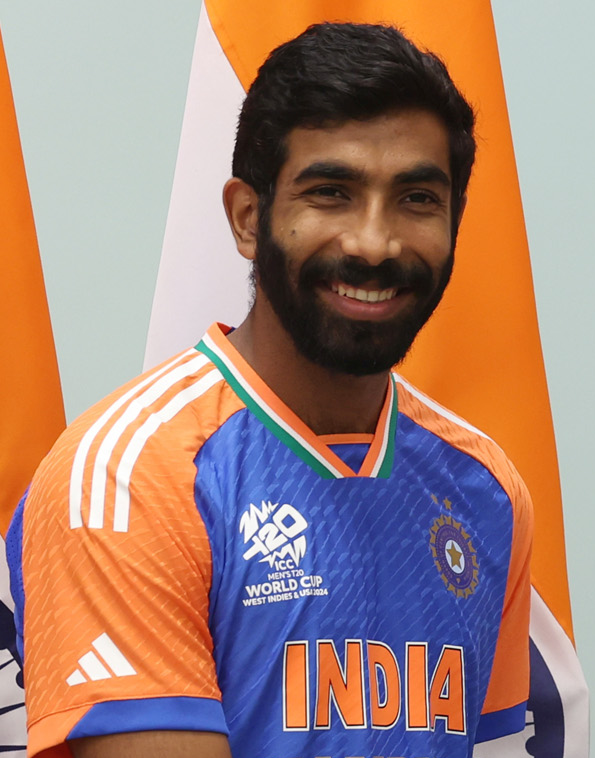
India are not turning up to occupy space on a scoresheet. They want first use of conditions they understand, or a chase they can see. Their best version of this match is a top order that does not gift wickets, a middle order that can rebuild without freezing, and a bowling group that can bowl the same ball for six overs.
The India national cricket team, popularly known as Team India, is one of the most iconic and successful teams in international cricket. Representing a nation where cricket is more than just a sport, the Indian men’s cricket team carries the passion, pride, and emotions of millions of fans across the world. Governed by the Board of Control for Cricket in India (BCCI), Team India competes at the highest level across all three formats—Tests, One Day Internationals (ODIs), and Twenty20 Internationals (T20Is). Over the decades, India has built a reputation for producing world-class batsmen, skilled bowlers, and exceptional all-rounders.
Leadership sits with Suryakumar Yadav . Captaincy in this fixture is not a press-conference word. It is whether the field is in for the nick, whether the fifth bowler is hidden, and whether a review is burned on hope. If India get through the new ball with wickets in hand, they can dictate. If they lose three in the first hour, the rest of the day is repair work.
Names to track for India: Suryakumar Yadav, Axar Patel, Hardik Pandya, Arshdeep Singh, Ishan Kishan, Sanju Samson.
Squad snapshot: Suryakumar Yadav (Batsman); Axar Patel (All-Rounder); Hardik Pandya (All-Rounder); Arshdeep Singh (Bowler); Ishan Kishan (Wicket Keeper); Sanju Samson (Wicket Keeper); Abhishek Sharma (All-Rounder); Tilak Varma (Batsman); Washington Sundar (All-Rounder); Jasprit Bumrah (Bowler); Harshit Rana (Bowler); Kuldeep Yadav (Bowler); Varun Chakravarthy (Bowler); Shivam Dube (All-Rounder); Rinku Singh (Batsman).
With the bat, India need a partnership that lasts. One fifty is useful. Two fifties in the same innings is how you bury a bowling attack. With the ball, they need a spell that does not leak, because leaking in international cricket is how a 40-run stand becomes 90.
Afghanistan — the travelling argument under Jonathan Trott
Afghanistan have a simpler-looking plan that is harder to execute on the road. Take early wickets. Make India bat again before they want to. If they bowl second, keep the required rate honest so the chase never becomes a cruise.
The Afghanistan Men’s T20 International team has rapidly emerged as one of the most exciting sides in world cricket. Known for their fearless brand of cricket, exceptional spin bowling, and explosive batting, Afghanistan has transformed from an underdog into a serious competitor on the global T20 stage. With world-class players and match-winners across departments, the team continues to challenge traditional cricketing nations and has earned respect for its passion, resilience, and fighting spirit.
Rashid Khan has to decide whether to attack with extra catchers or protect the boundary when a batter is set. Touring sides that defend too early look timid. Touring sides that attack too long look naive. The correct answer usually changes after the tenth over, or after the second new ball, depending on format.
Names to track for Afghanistan: Ibrahim Zadran, Darwish Rasooli, Mohammad Ishaq, Rahmanullah Gurbaz, Sediqullah Atal, Rashid Khan.
Squad snapshot: Ibrahim Zadran (Batsman); Darwish Rasooli (Batsman); Mohammad Ishaq (Batsman); Rahmanullah Gurbaz (Wicket Keeper); Sediqullah Atal (Batsman); Rashid Khan (All-Rounder); Azmatullah Omarzai (All-Rounder); Gulbadin Naib (All-Rounder); Mohammad Nabi (All-Rounder); Shahidullah (All-Rounder); Abdollah Ahmadzai (Bowler); Fazalhaq Farooqi (Bowler); Mujeeb Ur Rahman (Bowler); Noor Ahmad (Bowler); Ziaur Rahman (Bowler).
Afghanistan will be happier if the ball does something. They will be uncomfortable if it is a shirtfront. That is true of almost every touring bowling group, and it is why the first twenty minutes after the toss are worth watching even if the score is 8 without loss.
The battles that actually decide 3rd T20I (D/N)

New ball versus top order. If the opening bowlers hit a length, the openers have to leave. If they search for magic, the scoreboard moves. This battle is older than coverage graphics and it still decides mornings.
Middle order versus the change-up. Once the hard ball is gone, the question is spin, cutters, and whether a batter can sweep or use the crease. India's middle order against Afghanistan's first-change attack is where a match becomes long or becomes over.
Death overs or the fourth innings. In white-ball cricket, the last four overs are a different sport. In Tests, the fourth innings is a different sport. Either way, nerve shows. The side that has practised that moment in the nets usually looks calmer on television.
Fielding. A dropped catch at Arun Jaitley Stadium, Delhi is not a footnote. It is 40 runs you do not have, or a session you do not get back. Watch first slip and the ring on the drive. That is where this fixture can change without a wicket column noticing immediately.
Selection, toss, and the first hour
The XI will tell you if a side is playing for a result or playing not to lose. An extra seamer means they expect movement. An extra spinner means they expect wear. A batting all-rounder means they do not trust the tail. None of that is complicated, and all of it is ignored if you only read the start time.
Toss language is usually empty. The useful version is this: bowl if the ball is going to move for an hour and the forecast is dry later. Bat if the pitch will crack and you do not want to chase 280 on day four. At Arun Jaitley Stadium, Delhi, captains who have played here before tend to be less romantic about “winning the toss and batting.”
Then comes the first hour. It is the only honest preview. If edges carry, the contest is on. If they die, the batters settle, and the bowling captain has to invent something. Keep the first hour. The rest of the article writes itself.
What to watch, ball by ball
- Whether the new ball seams or just looks like it might.
- How soon the fifth bowler is used, and whether that over costs 12.
- If a set batter starts farming the strike after a wicket — that is game sense, not selfishness.
- Reviews: desperate reviews mean a side can feel the match sliding.
- The long boundary: mishits that would be six on a smaller ground die here, or they do not.
- Bowling changes immediately after a boundary. Panic substitutions are easy to spot.
If you are following on a phone, those are the details worth refreshing for. The headline score will catch up. The passage of play is the story.
How the rest of Afghanistan tour of India [Sep 2026] 2026 changes after this game
Win, and selection gets conservative because the XI just worked. Lose, and every batter who scored 12 becomes a debate. That is how series actually turn — not in press releases, in the next team meeting.
For India, a strong result here settles the dressing room. For Afghanistan, a strong result here makes the rest of the tour possible. International cricket is a short memory for losers and a long memory for the side that nicked a session when it mattered.
Final word
India vs Afghanistan at Arun Jaitley Stadium, Delhi is the kind of fixture The Sports Infoline is built to cover in full: a real ground, a real series, and two sides with something to lose. The snapshot above is the facts. The rest is the match. Come back as the scoreline moves — we will keep this piece aligned with the live situation so you are not reading yesterday’s paragraph on today’s wicket.
If you only read one thing before the first ball, read this: the side that bowls a length and bats as if the next hour matters more than the next over usually walks off with the better dressing-room silence. That is the entire sport, compressed into 3rd T20I (D/N) of Afghanistan tour of India [Sep 2026] 2026.